
Introduction
Your sore throat can develop suddenly and be painful to swallow, speak or chew. Causes of sore throat: Acute pharyngitis– Infection of the throat, mainly the pharynx part of the throat behind your mouth. Infection can be viral, bacterial or triggered by other causes.
These will often go away with Home treatment, even though there are some symptoms that will need treatment. Knowing the common causes, symptoms, treatments, and signs can help you know when a symptom is at home and when to visit your doctor. If the symptom is severe or worsening, er of Mesquite can provide you with a comprehensive medical assessment, and any additional testing or treatment you might need.
What Is Acute Pharyngitis?
Acute pharyngitis is the inflammation of the throat that develops rapidly. This leads to a sore or scratchy throat as well as issues with swallowing.
It’s not always caused by bacteria. What’s even more interesting is a viral infection Viruses – What are the different types and is there any use in antibiotics? (6:31) is the reason for a sore throat. You could also get pharyngitis from bacteria as group A Strep (bacteria that causes strep throat) which may need to be treated.
Common Causes
Acute throat inflammation may result from:
- Viral infections
- Bacterial infections
- Seasonal respiratory infections
- Exposure to cigarette smoke
- Allergies and postnasal drainage
- Dry air
- Throat irritation
- Acid reflux
Close proximity to an individual with an infectious disease.
It helps to know what is causing the pain as the treatment varies depending on the cause of pain.
7 Common Signs of Acute Pharyngitis
Symptoms: – Note: all these symptoms are the same for one individual and could be different for different individuals. Next symptoms are as:
1. Sore Throat
Sore, scratchy or irritated throat – this is the most common and one of the most annoying symptoms. The pain can also be severe when you swallow.
2. Difficulty Swallowing
Feeding is painful (food, drink or saliva).
3. Red Throat
Lumps on the neck to swollen lymph nodes. How Can It Be Treated? If you are sick and your child has these pockets, antibiotics will be prescribed.
4. Fever
Fever – 99% of colds will give you a fever if they were caused by a virus or bacteria.
5. Swollen Neck Lymph Nodes
Swelling or tenderness of the lymph nodes in the neck.
6. Headache or Body Aches
Some other types of infections that cause the inflamed throat may also be more of headache, activity, or body pains.
7. Cough or Runny Nose
What if they have symptoms? New! New!
There’s an increase in coughing and sniffles, sneezing, congestion and a runny nose, some rumblings!
More cough and sniffles, sneezing, congestion and a runny nose.
Viral vs. Bacterial Pharyngitis
Knowing how to tell if it is a virus or bacteria can even help you determine if you really need an antibiotic.
- Feature
- Viral Infection
- Bacterial Infection
- Cough
- Often present
- Usually less common
- Runny nose
- Common
- Less common
- Fever
- Possible
- Common
- Sore throat
- Common
- Common
- Swollen lymph nodes
- Possible
- Common
- White patches
- Sometimes
- May occur
- Antibiotics
- Usually not helpful
May be prescribed when appropriate
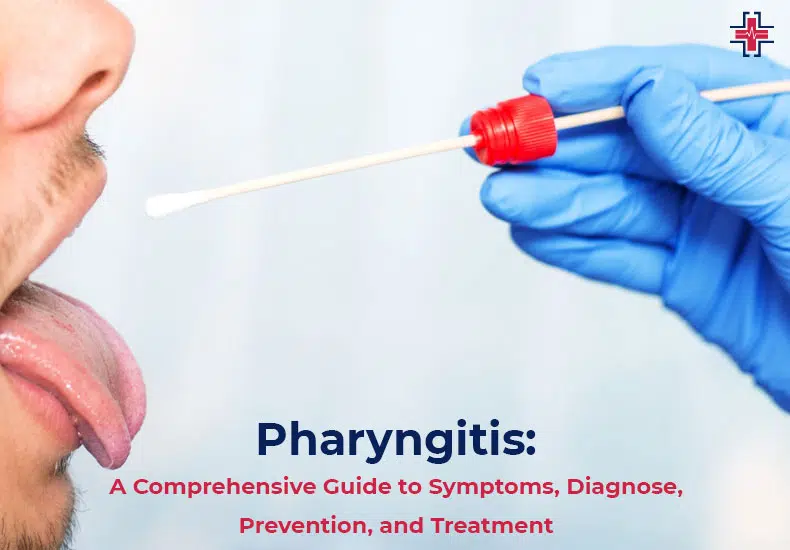
Not all cases can be tested to confirm what is causing your symptoms. Your GP may recommend a test if they believe you have a bacterial infection.
How Is Acute Pharyngitis Diagnosed?
To diagnose the condition your doctor will take your medical history and perform a physical exam. Your doctor may look into your throat, tonsils, neck, and lymph nodes.
Depending on the symptoms, testing may include:
- Test for Group A Strep: Can identify group A, Streptococcus.
- Throat culture: only if required as additional confirmation.
- Other tests: Might be done if the symptoms indicate a different infection.
An extremely sore throat isn’t always worth a lot of testing. The assessment may be based on the extent of the individual’s symptoms, age, patient history, and examination.
Treatment Options
Treatment depends on the cause.
- Viral Pharyngitis
- Viral infections generally resolve on their own. Supportive care may include:
- Drinking plenty of fluids
- Resting
- Using warm liquids to soothe the throat
- Gargling with warm salt water
- Using throat lozenges when appropriate
- Use the directions on over the counter medications to help treat the fever and pain.
- Antibiotics do not treat viral infections.
Bacterial Pharyngitis
Should a doctor diagnose or is highly likely to diagnose a bacterial disease, such as strep throat using clinical guidelines, they may prescribe a course of antibiotics.
Taking prescribed medication Patients must take prescribed medicine that is needed to complete the course of treatment. If the course of antibiotics was not completed it can cause problems and the infection may not be fully treated.
When Should You Visit an Emergency Room?
Not all sore throats are emergencies. But, some of the signs can also be a sign of something more serious.
Seek urgent medical evaluation if there is:
- Trouble breathing
- Severe difficulty swallowing
- Inability to swallow saliva
- Drooling
- Severe swelling of the throat or neck
- A rapidly worsening sore throat
- Signs of dehydration
- Severe weakness or confusion
- High or persistent fever
Symptoms are persistent or worsening.
There’s nothing more un-creepy then getting the world to you to”run* for you, right? But yeah, if you have only one of these symptoms you can take down an emergency room.
Acute Pharyngitis in Children
All of us suffer from throat infections very frequently and almost certainly for the majority of children, even more so, if they have played with other children at the church / school.
Parents should watch for symptoms such as:
- Sore throat
- Fever
- Difficulty swallowing
- Reduced appetite
- Swollen glands
- Tiredness
- Irritability
KIDS! Your child, pre-school or school age child could have a sore throat but be unable to tell you. They could have less of a desire to eat or drink and their activity level may alter.
Who Needs to See a Doc When Your Child Has: Breathing problems Not being able to vomit and not able to consume liquids Appears more drowsy or dehydrated.
Conclusion
Causes of Throat Inflammation The causes of inflammation in the throat will be very varied. Often a viral infection is the cause and then rest, fluids and general health care are all that are required. If a bacterial infection is to blame then testing will need to be undertaken and drugs may need to be prescribed.
The red flags are only symptoms, so being aware of these will assist individuals in making the appropriate decisions. If symptoms are severe, strange or have become exacerbated, go to er of Mesquite or see a healthcare professional for evaluation.
For more blogs visit : https://bytesflux.com/7-powerful-facts-does-mri-contrast-make-you-tired/
Pingback: 5 Critical Signs of a Borderline ECG in an Emergency Room