
Introduction
If your doctor orders tests to evaluate symptoms such as headaches, dizziness, head injury, seizures and other neurological symptoms, brain imaging can tell a lot. Most commonly used brain tests are the CT scan and MRI scan. It’s important to difference between ct vs mri brain so that you know why they have been recommended, how they work, and what you can expect from the tests. Although they both produce detailed images of your brain, they use different technologies and are suited for different purposes.
What Is a CT Brain Scan?
What is a Brain CT?
6:08 A CT, or computed tomography scan is a specialized kind of X-ray that takes cross-sectional slices of your head and brain.
How does a Brain CT work?
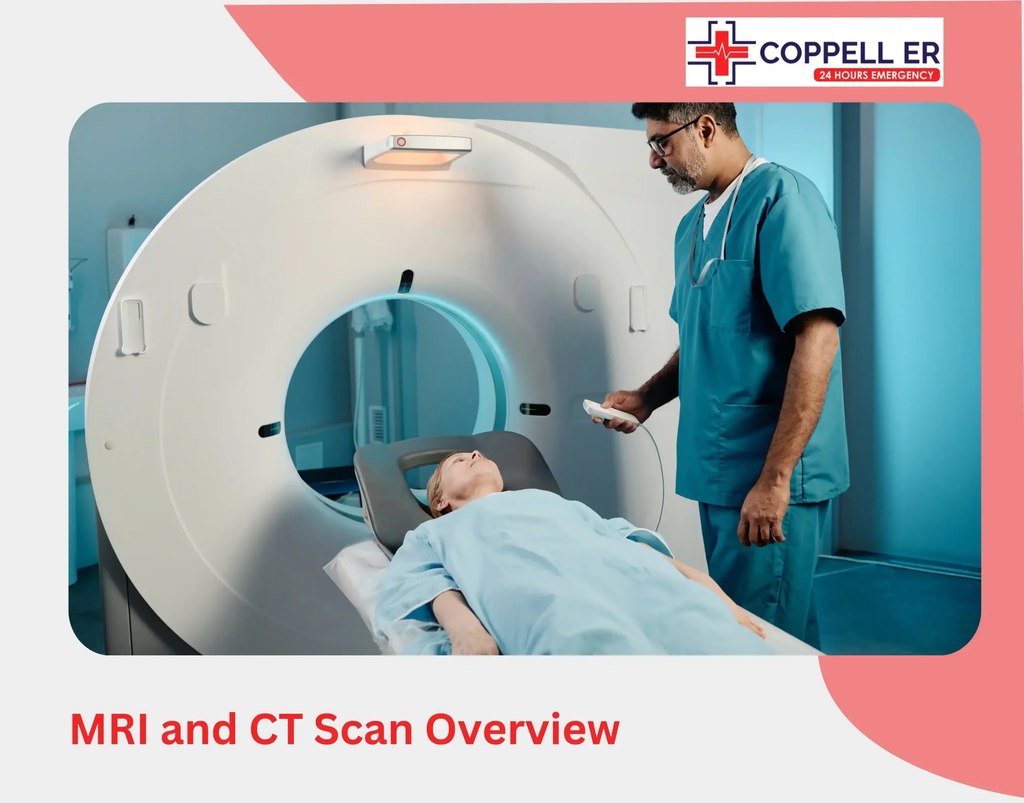
3:09 During the scan, a patient will lay on a bed and slide into a doughnut-shaped scanner that has X-ray beams circling it. Multiple images are taken at once at various angles and then assembled.
What can a Brain CT diagnose?
CT scans of the brain can identify bleeding on or in the brain Skull fractures Head trauma Stroke (in some cases) Swelling in the brain Some tumors Fluid or other abnormalities Other symptoms Read more: The top 5 benefits of brain CTs 4.
What Is an MRI Brain Scan?
MRI stands for magnetic resonance imaging. Unlike CT, MRI does not use X-rays. Instead, it uses a powerful magnetic field and radio waves to produce highly detailed images of the brain and surrounding structures.
The patient usually lies on a table that slides into a large tube-like scanner. Depending on the type of MRI, the examination can take considerably longer than a CT scan.
MRI is especially useful for examining soft tissues. It can show subtle changes in the brain that may not be as clearly visible on a CT scan.
MRI may help doctors evaluate:
- Brain tumors
- Multiple sclerosis
- Certain types of stroke
- Inflammation
- Infections
- Abnormal blood vessels
- Nerve and brain tissue
- Some causes of seizures
- Other neurological conditions
When Is a CT Brain Scan Preferred?
CT scan is often chosen when speed of the procedure is necessary. For instance, a patient presenting in an emergency room following a significant head trauma may require a CT scan to evaluate for bleeding or skull fracture. The test may be performed if the doctor needs a fast imaging procedure due to the inability of the patient to stay still for a long time, as the entire image acquisition process of a CT scan is very short. Doctors may order a CT scan of the head in the setting of:
- Severe headaches with sudden onset
- Head trauma
- Known or suspected bleeding
- Suspicious stroke
- Skull fracture
- Sudden drop in alertness or alertness level
What About Urgent Care With MRI?
We sometimes get questions about urgent care with MRI, for someone needing quick assessment of symptoms such as headache, dizziness, weakness, or an injury. MRI in an urgent care center or clinic: It’s important to know that not all urgent care clinics have MRI. Some have basic imaging, but will refer a patient to a hospital or imaging center if advanced imaging is necessary. An emergency department rather than an “urgent care” clinic may be more appropriate if symptoms are severe or otherwise concerning, as those facilities tend to be better prepared to do rapid evaluation of life-threatening neurological problems and management including CT, MRI, blood work, specialist consult, and other urgent care.
Call 911 or get emergency care for the following:
Sudden, severe headache different from any previous headache Sudden numbness or weakness on one side of the body Sudden difficulty talking Sudden confusion Loss of consciousness New seizure Serious head injury Sudden loss of vision Sudden, severe dizziness with neurological symptoms Do not wait for a specific type of imaging facility.
Does MRI Give Better Images Than CT?
Remember: an MRI gives a more detailed picture of soft tissue of the brain. But that does not necessarily mean that MRI is always better than CT. This is because each test has its advantages.
CT is a quick way of seeing if there is any bleeding or fracture or other urgent abnormality. MRI is a way of seeing detailed pictures of soft tissue and identifying subtle changes that may need further investigation.
So, an examination is not simply ordered because MRI gives you a more detailed image. Doctors will order the investigation that is most appropriate for your condition.
Is CT Safe?
What are the risks of a CT scan?
CT scans are performed using ionizing radiation. For this reason, the radiologist and/or referring doctor will carefully weigh the benefits and risks of the examination prior to ordering a CT study.
Newer generation CT scanners deliver radiation doses optimized to produce the best image quality necessary for diagnosis.
When medically indicated, the information gained from a CT scan can be very helpful. Patients should inform their physician if there is any chance that they could be pregnant.
Is MRI Safe?
MRI does not involve exposure to ionizing radiation. Due to the magnetic field used during the imaging, the medical team will need to be made aware of any metal objects, implants, or medical devices. Items such as:
- Some types of metal fragments
- Old surgical implants
- Certain medical devices
- Some electronic devices
- CT vs MRI Brain
The MRI team will advise whether the test can be safely carried out. Some patients may have anxiety or claustrophobia when in the MRI scanner, and providers may have various options available.
CT vs MRI for Headaches
Headaches can arise from a variety of causes and not every headache will need to be imaged. Often a doctor will evaluate the severity and length of the headache, the pattern, the patient’s age, examine the neurological health of the patient and symptoms before imaging is considered. For an extremely severe headache (thunderclap headache), CT vs MRI Brain can sometimes be performed rapidly to rule out life-threatening causes. MRI may be helpful in looking at the brain in more detail in the setting of some persistent or unique neurological symptoms.
Which Scan Takes Longer?
Compared to CT vs MRI Brain is considerably quicker. The actual scan portion of a CT can be over in just a few minutes but prep time, as well as other procedures, can increase the time needed for a CT scan. The average MRI can last between 20 and 60 minutes depending on what part of the body is being scanned, which protocol is used and if a contrast is involved.
Do CT and MRI Use Contrast?
Contrast material may be used for both CT and MRI Sometimes, doctors will use contrast with both a CT or MRI scan. It shows up specific areas or issues more easily. The contrast used in MRI differs from contrast in CT scans and some patients do not require contrast. Prior to the use of contrast in a scan, medical providers will inquire about allergies, kidney function, medications, and other factors.
How Do Doctors Decide Between CT and MRI?
What guides this decision?
Usually it is about: The symptoms: the nature of the symptoms can be leading. Urgency: CT is more likely to be used if the brain imaging is urgent. The diagnosis was suspected: MRI is ideal for assessment of the consistency of the brain tissue. Recent trauma:CT vs MRI Brain is often useful for examination of fractures and fresh bleeding. Medical history: factors such as previous surgery or implants could influence whether an MRI is possible. Access: not all local urgent care or other medical centers have access to MRI. Physical examination of the clinician: the doctor will perform a physical examination and consider the symptoms.
FAQs
1. Is MRI or CT better for the brain?
Not necessarily. CT scans are quicker, and certain conditions may require a CT scan immediately. MRI scans offer more detailed information about soft tissue.
2. Which scan is better after a head injury?
CT scans are used more frequently after head injury as they are quicker to show potential serious issues like bleeding or broken skulls. The decision whether or not to have an MRI or other test will be up to your team.
3. Can an MRI detect brain tumors?
MRI can provide highly detailed images that can help doctors identify and evaluate brain tumors and other abnormalities.
4. When should a headache be treated as an emergency?
A sudden, extremely severe headache, especially when accompanied by weakness, confusion, difficulty speaking, loss of consciousness, seizure, or other serious neurological symptoms, requires urgent medical evaluation.CT vs MRI Brain
5. Can an MRI detect brain tumors?
MRI can provide highly detailed images that can help doctors identify and evaluate brain tumors and other abnormalities.
Final Thoughts
If you understand the basics of CT vs MRI brain scans, you can sometimes navigate medical imaging with less confusion. As CT vs MRI Brain use X-rays and are sometimes faster, they can be more useful for certain kinds of emergencies and brain emergencies than MRIs. And MRIs, which use magnetic fields and radio waves, may give a more detailed picture of soft tissue in the brain.
There is no definitive answer as to which one is “best.” It all depends on the symptoms, condition being tested for, urgency, your medical history, and your physician’s opinion. If you want an MRI on an urgent basis, don’t ask specifically for an MRI. If you are experiencing sudden or severe symptoms of a neurological condition, get to an emergency room and don’t wait around for a particular type of test.
For more blogs visit : https://bytesflux.com/7-powerful-facts-about-constant-headache-dizziness/