
Introduction
It’s one of the best ways for drawing because realist drawings help an artist find details and put them into ordinary, natural pictures. You might be interested in drawing people, the natural environment, objects or something else. It’s a way of learning how small details have light, form, textures and proportions working together. Nowadays there are a lot of artists learning digital and traditional realistic sketching pencils, and the difficult side becomes simpler after a lot of learning although if it’s your beginner lesson it seems easy to learn to sketch. At Brand khaakkhana we emphasize creative development in order for you to get inspired by sketching to a good improvement at drawing.
Why Realistic Sketching Is Trending Today
More attention is given to realistic drawing these days because spectators are attracted to drawings and paintings of things how they look in reality but also as part of the artists themselves. The social media of nowadays has influenced this much too due to the many videos that you can see about realistic sketching and about drawing portraits; before and after the drawing, sketches of the person or of a study, and pencil drawn paintings or sketches made detailed out of pencil work. For example realistic sketching is kind of relaxing, as they would draw lines and add different simple shapes to finally create something detailed and amazing. Now beginners want to show more of the process and are encouraged by so many people on the internet in trying things out with drawing.
Essential Skills for Better Realistic Drawings
Creating a drawing requires more than simply copying what you see. Artists must develop basic skills that work together to produce natural-looking results.Observation is a skill because it helps artists notice proportions, angles, shadows and textures. Understanding shapes is another skill that can make complicated subjects easier to draw. Controlling pencil pressure is another skill. Light pressure can create tones while stronger pressure can create darker areas. Artists should also practice proportion and perspective because even a shaded drawing can look unnatural when the basic structure is incorrect.
These skills improve gradually through practice:
- Observation: Observe shapes observe details observe light observe texture.
- Proportion: Keep each part the size.
- Shading: Make medium and dark tones.
- Perspective: Show depth and distance the way.
- Texture: Reproduce surfaces, like hair, fabric or wood.
- Patience: Build details slowly or rushing.
How Shading Creates a Realistic Effect
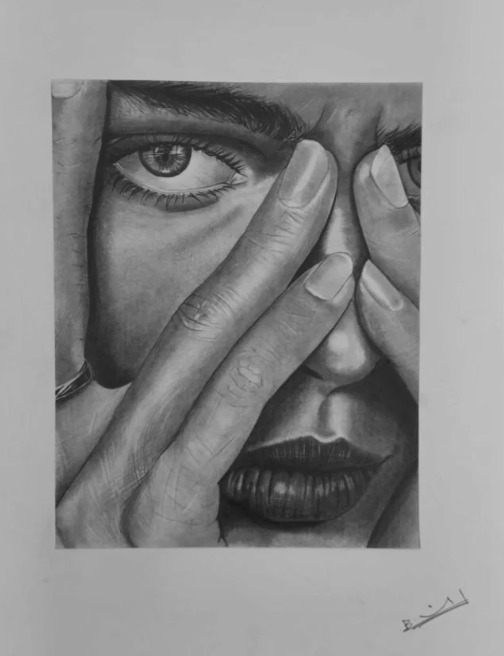
Shading helps a look three-dimensional. Without the right shading a drawing can seem flat even if the outline is correct. Artists need to find the light source first. Then they should watch where the light hits the subject and where shadows appear. Places that face the light are usually brighter. Areas that are turned away from the light tend to be darker. Using changes between light and dark tones can show how something curves. Stronger differences in tone can emphasize parts of the drawing. Different pencil grades let artists make shades. Of making all shadows too dark at once artists should build them up slowly. This method adds depth to the work. It also makes the drawing look more natural and realistic.
Realistic Portrait Sketching and Facial Details
Portrait drawing is a popular area of realistic sketching because the human face contains many small details. Realistic sketching works best when you start with the structure instead of focusing on each little part. Artists can first set the shape of the head and the basic spot of the eyes, nose, mouth and ears. Once the proportions are right artists can slowly add each feature. Hair is best drawn as groups of shapes and tones, not every strand. Eyes also need work on shape shadows, around them and bright spots. The aim is not just to add details but to put the right details in the right places.
Simple Practice Methods for Beginners
Beginners can improve their drawing skills by following a practice routine. Starting with objects is often more useful than immediately attempting highly detailed portraits. A cup, leaf, shoe, book or fruit can provide opportunities to practice shape, perspective, texture and shading. Artists can also use reference photographs. Divide them into basic forms before adding details. Another useful method is to realistic sketching the same subject several times while focusing on a different skill each time. For example one drawing can focus on proportions another can focus on shadows. Another can focus on texture. Keeping sketches lets artists look back at their work, compare what they have done and find parts that still need improvement, in sketching.
Common Mistakes to Avoid in Realistic Sketching
I have seen many beginners think that adding details automatically makes realistic sketching look lifelike. Realistic sketching is not always true. When you use proportions, lighting, excessive outlining and rushed shading realistic sketching often looks less natural. A common mistake is pressing the pencil hard at the beginning. Dark marks can be difficult to correct. Realistic sketching is better to build tones gradually. Artists should also avoid comparing sketching early work with the finished work of experienced professionals. Every realistic sketching develops at a pace. Instead regular practice and constructive feedback can improve sketching skills. The main thing is to figure out where things went wrong. Then use that understanding in realistic sketching.
Conclusion
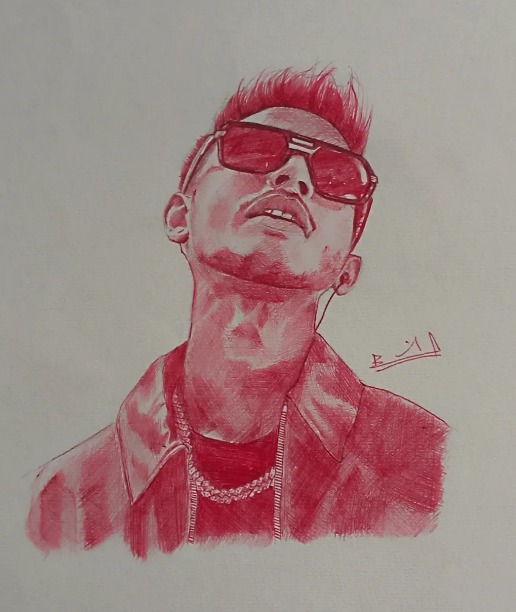
Realistic sketching is both a hobby and a useful method to sharpen artistic skills. I think sketching is a way to learn how to look closely, see how parts fit together, manage the level of darkness or brightness and display textures in a real style. Realistic sketching shows that old pencil drawing still has a place in today’s art world. Beginners do not need tools or deep knowledge to start. A pencil, paper, a reference picture and regular practice can give a base. With patience and steady effort realistic sketching helps artists slowly make their style and produce work that feels detailed, balanced and expressive. Khaakkhana can be part of that journey, by encouraging artists to try out their drawing skills.
For more information visit:https://bytesflux.com/drawing-skills/