
People who need to take their medication on time for their treatment face difficulties in maintaining their adherence to their medication schedule. People who lead busy lives with their work responsibilities and family obligations and forget to take their medication will probably skip their medicine doses. The medication reminders system enables people to keep their lives organized while it helps them handle their everyday activities more effectively.
The reminder system enables you to track your medication schedule so you can take your drugs at the right moments which helps you maintain your treatment plan. A small system will help you handle your medication dosage better regardless of whether you consume many or few pills during your daily routine.
Why Medication Reminders Matter
Missing a dose once in a while appears to be a minor problem yet skipping medication doses on a regular basis makes it difficult for patients to follow their prescribed treatment schedule. The risk becomes more severe when different medications need to be taken at various times throughout the day.
- People can check their dose schedule through medication reminder systems which protect them from depending on their memory for dose timing.
- People use reminders for various regular reasons which include:
- People face challenges to complete their work and school assignments because their schedules remain completely occupied.
- People who require multiple medications must handle various medication schedules which need different time management approaches.
- People fail to take their scheduled doses when they travel to different locations.
- People need to adjust their daily activities because their daily activities have undergone changes.
- People struggle to determine if they have taken their medication dose because they forget their previous medication intake.
- Caring for an older family member
- The process needs ongoing medication management to achieve its objectives.
Medical advice stands as the main treatment method for patients. The system uses reminders to support healthcare professional recommended routines which have already been established.
How Do Medication Reminders Work?
The reminder system creates medication alerts which users can schedule for each specific drug. The user needs to provide medication details which include drug names and dosage plans and their preferred time for receiving reminders.
The system activates its alert system when the scheduled time arrives to send out its notification.
A basic reminder process looks like this:
- Add the medication information.
- Set the prescribed schedule.
- Choose suitable reminder times.
- Receive an alert at the scheduled time.
- Mark the dose as taken, when appropriate.
- Review the schedule regularly.
People can access digital reminders through their existing devices which they use for daily activities.
Creating a Consistent Medication Routine
Establishing a routine for taking medications will lead to more success when the tasks are well-integrated into your day. Instead of making the taking of a pill another separate event in the day, some individuals have found it beneficial to link it with a time of day that is part of a stable daily routine.
For example, the individual may decide to link certain prescription doses with their morning breakfast routine. Some may link their afternoon dose with taking their evening shower or another predictable event that happens daily. All timing should follow the advice and specific directions given by their physicians or from the information on the medicine label.
Following the prescribed timing may ensure accuracy with remembering when the patient should take their medicine.
Create a Simple schedule
If you are given a specific time in which to take a particular medicine, use that timing when scheduling your reminders. Do not change the timing in order to receive easier reminder notification.
For complex prescription schedules, a list or chart will be useful for helping patients take their medications properly.
Set Separate Reminder Reminders as Required
Individuals taking many medications may wish to set up individual reminders. A broad, single notification may make an individual forget what it is to take medication; the use of specific individual reminders for each drug will clearly help the patients recall their medicine times.
Benefits of Using Digital Medication Reminders
People who need to take their medicines at specific times will find digital reminder tools useful because these tools provide functional advantages which help them with their medication routine.
1. Fewer Forgotten Doses
An alert system delivers outside signals which trigger responses from people who require additional help to remember things. People can benefit from this system when their work schedule becomes busy and they face multiple stressful situations.
2. Better Organization
The digital scheduling system unites all medication details into a single platform which helps users track their required tasks for each day.
3. Helpful Dose Tracking
The reminder systems enable users to track their medicine intake by showing which scheduled doses they actually took. This process helps decrease the unknown status of medication administration because it shows which doses have already been given.
4. Support for Caregivers
Family members together with caregivers provide assistance to people who need help with their medication management. The monitoring of schedules becomes more simple through a structured reminder system which depends on the available tools for scheduling.
5. Greater Awareness
People will focus on their medical schedule because regular reminders help them remember their prescribed schedule instead of depending on their memory alone.
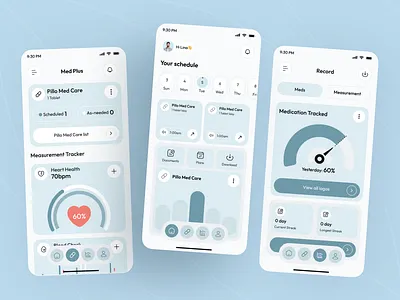
What Makes a Good Medication Reminder System?
People do not respond the same way to every reminder technique which becomes ineffective for individual users. The most effective choice tends to be a basic solution which people can apply repeatedly without facing any difficulties.
Important features may include:
- Users can create their own schedules through a user-friendly scheduling system.
- Users have the ability to customize their reminder time settings according to their specific needs.
- The system supports multiple medications which users can manage through its interface.
- The system monitors patient medication use through its dose monitoring capabilities.
- Users can receive direct notifications from the system through its notification system.
- Users have the ability to set up recurring schedule options for their appointments.
- The system shows its features through its basic design which doesn’t have complicated elements.
Users can choose to view
How to Make Medication Reminders More Effective
People need to develop fixed schedules which help them remember things effectively. The system of alerts does not guarantee patients will follow their prescribed medication schedule.
The following list shows practical habits which people should adopt:
- Maintain precise data entry by typing medication names together with their scheduled administration times.
- Medical guidelines for medication administration require you to verify your digital schedule information after these instructions become unplanned.
- People should check their notifications because they need to avoid dismissing all reminders without reading them first.
- Create a backup: For important schedules, a written medication list can provide an additional reference.
- Follow professional instructions: Do not change doses or schedules because of a reminder notification.
The suggested practices will improve reminder usefulness while they continue to direct medication management through medically approved treatment programs.
Can Medication Reminders Help With Long-Term Treatment?
People can benefit from reminders when they need to take their medications at specific times which stretch across multiple weeks or extended periods. Medical treatment schedules become difficult to follow when patients experience no visible progress soon after starting their medication regimen. Simple reminder systems help people stay aware through their continuous reminder notifications. Medical guidance needs to stay separate from reminder systems which should function as additional tools to help patients. A person who struggles to take their medication on schedule needs to talk about their problem with their medical provider.
Common Mistakes to Avoid
The reminder system continues to allow certain errors which medical staff need to handle during their medication management activities.
Avoid:
- Do not establish wrong time schedules for your reminder alerts.
- The process of entering medication details becomes problematic when staff members need to enter incorrect information.
- Users should disregard all system alerts which keep showing up multiple times.
- Taking an extra dose because you cannot remember what happened
- Patients need to follow their doctors’ scheduled treatment plans without making any changes which should be done by medical experts.
- Most reminder systems do not possess enough intelligence to determine suitable actions after users miss their scheduled doses.
The most secure way to handle missed medication doses or confusion about medication instructions involves following the prescribed guidelines while seeking guidance from pharmacists or healthcare providers instead of making random guesses.
Frequently Asked Questions
What are medication reminders?
People need medication reminders because these alert systems show them when they should take their prescribed drugs. The system includes alarms and mobile alerts and calendar functions and specialized reminder applications.
Are phone reminders useful for medication schedules?
Yes. Phone alarms and reminder applications can provide convenient alerts throughout the day. The system operates effectively when users select appropriate schedule times and they follow through with their reminder alerts.
Can reminders help people taking multiple medications?
The system provides this functionality. The system generates separate schedules and alert notifications which help users identify medications that require different administration times and specific usage guidelines.
Can medication reminders replace medical advice?
No. The main purpose of reminder tools exists to help people organize their tasks and maintain their regular work routines. The system requires doctors and pharmacists and other healthcare professionals with proper qualifications to provide their instructions.
Conclusion
People need to remember their medication schedules to manage their medication intake correctly. The system which organizes reminders will help people follow their daily plans and it offers helpful cues when they have busy schedules.
The best method requires natural integration with daily activities together with proper medical guidance for medication administration. People can use reminders as functional tools for responsible medication management through precise scheduling and ongoing tracking and basic daily routines.